E-commerce Visual Trends to Watch in 2026
The visual trends reshaping e-commerce in 2026: AI photography at scale, diverse representation, lifestyle contexts, and faster content cycles. What your brand needs to keep up.
The Bar for Product Visuals Has Never Been Higher
In 2026, online shoppers scroll past hundreds of products a day. Average dwell time on a product detail page sits under nine seconds for new visitors — barely enough to render two images and read one line of copy. The brands that stop the scroll aren't just selling better products — they're showing them better.
The eight visual trends below are the ones moving the needle this year. Some have crossed from experimental to expected, a few are still early-adopter territory, and one or two are quietly disappearing.
1. AI-Generated Model Photography Goes Mainstream
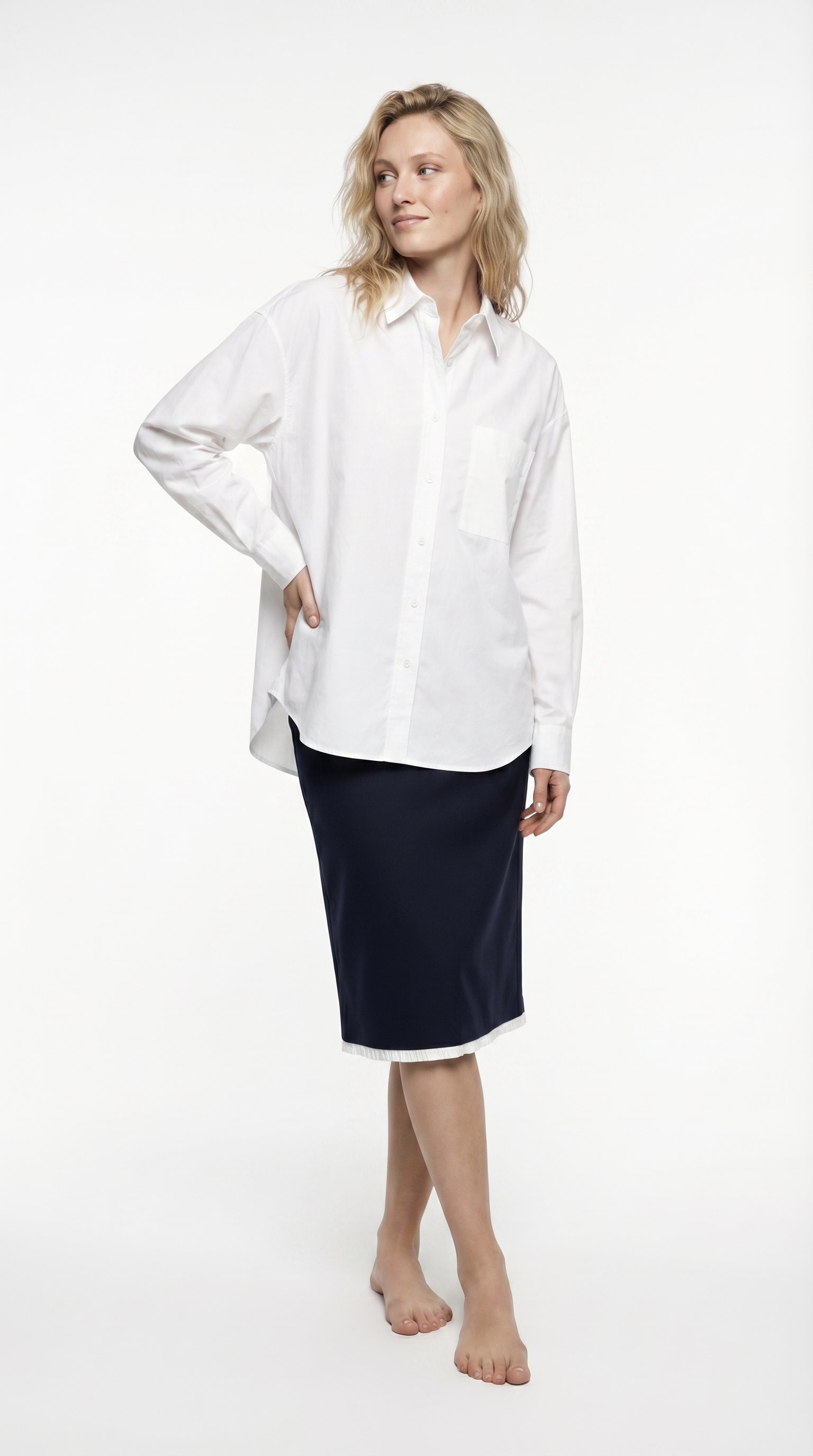
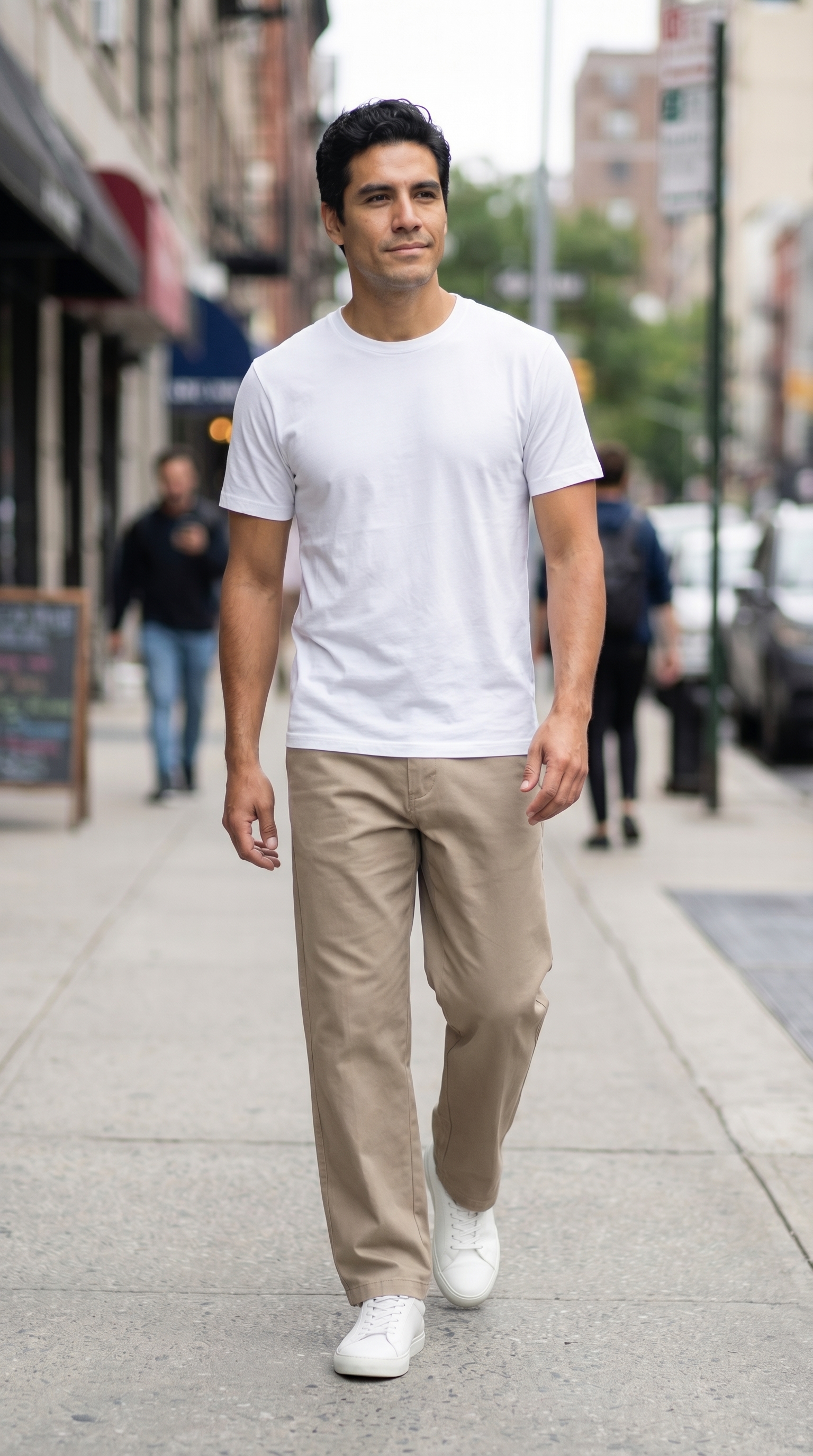
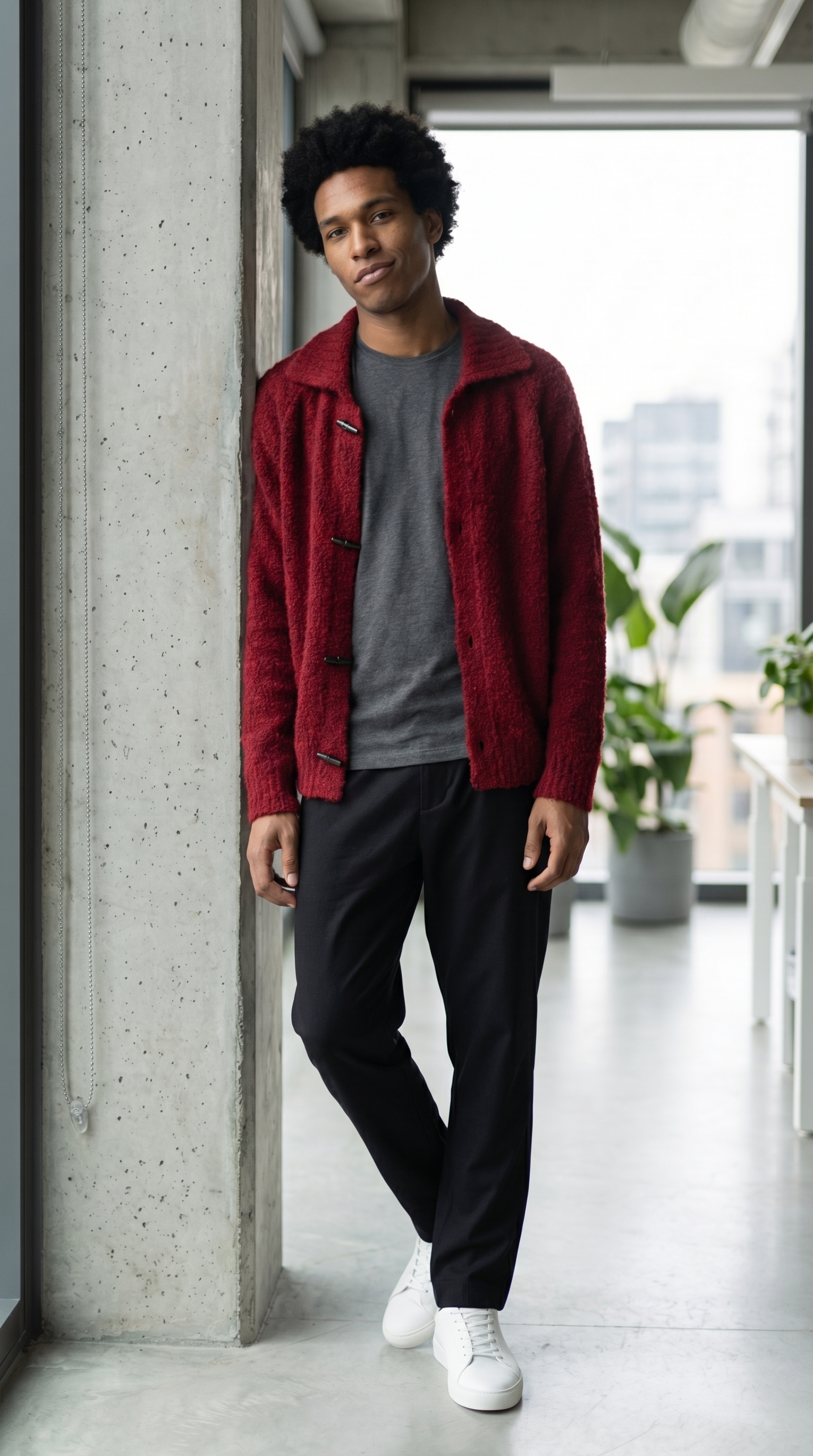

What was experimental two years ago is now standard practice. Brands of all sizes — from solo Etsy sellers to mid-market labels — are using AI to generate model shots at scale. The early adopter advantage has narrowed; the cost of not using AI is now the gap.
The shift isn't just about cost savings (though those are dramatic). It's about speed and variety. When you can generate 50 variations of the same garment in an hour, you can:
- A/B test different models and backgrounds to find what converts best
- Create localized content showing models that match each market's demographics
- Launch new products with full visual assets on day one — no two-week studio lag
- Refresh seasonal campaigns without re-shooting from scratch
2. Diverse Representation Is Now Expected, Not Optional
Consumers in 2026 expect to see themselves reflected in product imagery. Brands showing only one body type or ethnicity are leaving money on the table — and increasingly, getting called out for it in public reviews and social feeds.
AI makes this economically viable for the first time. Instead of booking five different models for a traditional shoot, you can generate the same outfit on models of different ethnicities, ages, and body types — instantly and at the same cost. The unit economics that previously limited diversity to brand campaigns now scale down to every product detail page.
A practical pattern: pick 3–5 model archetypes that span your customer base and rotate them across the catalog. Customers see at least one model they identify with within the first scroll — and conversion lifts on PDPs with diverse model variants consistently land in the 6–11% range across recent A/B tests.
3. Lifestyle Context Over White Background
The clean white background isn't going away — Amazon and many marketplaces still require it for primary images. But for secondary images, social content, and DTC product pages, white-only is no longer enough.
Shoppers want to see products in context. What does this jacket look like at a cafe? On a city street? In a real apartment? Lifestyle imagery used to require expensive on-location shoots. Now, custom backgrounds let you place models in any environment — from a Parisian rooftop to a cozy bedroom — without leaving your desk.
The categories where lifestyle context lifts conversion the most: home goods, accessories, and seasonal apparel. Categories where white still wins: pure-utility basics, accessories sold as gifts, and any product where color/fabric accuracy is the primary purchase driver.
4. Consistency Across Every Touchpoint
Your product page, your Instagram, your email campaigns, your marketplace listings — they all need visuals, and they all need to feel like the same brand. Customers who first see a product on Instagram and then land on the website expect the visual world to carry through.
The winning approach: establish a visual template (model style, background mood, color grading) and apply it across every channel. AI makes this scalable in a way that was previously only possible for brands with dedicated creative teams. A two-person brand can now ship the visual consistency that used to require a five-person studio.
5. Video and Motion Are Rising, But Stills Still Convert
Short-form video continues to dominate social media, and product videos are increasingly important for conversion on marketplaces that surface them (TikTok Shop, Instagram Shopping, Amazon). However, high-quality still photography remains the foundation of every product page — every video starts with someone clicking on a still thumbnail.
The smart play in 2026: use AI-generated stills as your base visual layer, then invest selectively in video for hero products and campaign content. A hybrid stack — stills for breadth, video for the top 10–15% of SKUs by revenue — beats either extreme for most brands.
6. Faster Content Cycles
Fast fashion taught consumers to expect constant newness. Even brands with slower release cycles are now refreshing their visual content more frequently — seasonal reshoots, trend-responsive styling, fresh social content every two weeks rather than every quarter.
The brands that thrive in 2026 are the ones that can produce quality visuals as fast as they can source products. The bottleneck has shifted from production capacity to creative direction — the constraint is now "what should the next 50 images look like?" not "how do we shoot 50 more images?"
7. Sustainability Signals Embedded in Visuals (Emerging)

Consumers in 2026 read sustainability cues from images, not just from copy. Natural light, organic textures, reused or up-cycled props, models that look like real people rather than retouched magazine cutouts — these signals quietly tell a buyer "this brand thinks about the same things I do."
The opposite is also true: overlit studio cyc, plastic packaging visible in lifestyle shots, or aggressively retouched models can pull customers out of a sustainability-positioned brand even if the copy says all the right things. Visual consistency with brand values is becoming a moderate-but-real lever — especially in apparel and home goods.
8. Personalized Imagery at Scale (Emerging)
The next frontier is per-customer imagery. Logged-in shoppers might see a jacket on a model that matches their age and body type, with a background that reflects their location's weather. The infrastructure to do this is only just becoming practical — but the early movers are already testing it on category pages and personalized email.
This isn't viable yet for most brands in 2026, but it's worth tracking. The first wave of brands to deploy personalized product imagery at scale will likely capture conversion lifts in the 15–25% range — large enough that the rest of the market will follow within 12–18 months.
Trend Adoption Timeline
Not all of these trends require the same urgency. Roughly how the eight stack up for a brand that doesn't have unlimited resources:
| Trend | Adopt now? |
|---|---|
| AI-generated model photography | Yes — table stakes |
| Diverse representation | Yes — table stakes |
| Lifestyle context backgrounds | Yes — strong ROI |
| Cross-channel consistency | Yes — invisible until missing |
| Faster content cycles | Yes — competitive necessity |
| Video for top SKUs | Selective — top 10–15% only |
| Sustainability visual cues | If brand-positioned around it |
| Personalized per-customer imagery | Watch — adopt in 12–18 months |
What's Quietly Going Away
Just as important as what's new: a few previously default tactics are now hurting more than they help.
- Stock photography models on PDPs — once acceptable for small brands, now reads as low-effort to most consumers.
- Heavy retouching of skin and body — particularly with younger buyers; perceived as misleading rather than aspirational.
- Single-model catalogs — using one model across an entire collection used to signal brand discipline; now signals "we couldn't afford anyone else."
- Static "look-of-the-week" homepages — increasingly replaced with dynamic, season-aware hero modules.
FAQ
How fast is "fast enough" for content cycles?
Most successful DTC brands in 2026 refresh PDP secondary imagery monthly, social content weekly, and hero/homepage imagery seasonally. The exact cadence matters less than the consistency.
Do I need to adopt all eight trends to stay competitive?
No. The first five are roughly table stakes; the remaining three are differentiators or future bets. A small brand that nails the first five outperforms a large brand that tries all eight half-heartedly.
Is white-background photography really dead?
No, but it's no longer enough on its own. Use white for the primary marketplace image and for product clarity; layer lifestyle and contextual shots beside it for everything else.
What's the single highest-ROI trend to adopt this quarter?
For most brands: AI-generated model variants for the top 20% of SKUs by traffic. Quick to test, large measurable lift, and the workflow scales to the rest of the catalog from there.
What This Means for Your Brand
You don't need a bigger budget. You need a faster, more flexible visual production pipeline. The tools exist today to:
- Generate professional model shots from a flat lay photo
- Show your products on diverse models in varied settings
- Maintain brand consistency across hundreds of SKUs
- Launch with full visual assets instead of placeholder images
- Iterate on what's working without committing to another shoot
The gap between brands that look premium and brands that look amateur is no longer about budget — it's about whether you've adopted the right tools.
Ready to create your own lookbook?
Turn flat lay photos into professional model shots in minutes. No photoshoot needed.
Try it freeTags
Ready to transform your content?
Join the leading fashion brands using Lookbook to create stunning visuals at scale.